


Polycystic Ovary Syndrome (PCOS) is a complex endocrine disorder affecting women of reproductive age worldwide. Characterized by a variety of symptoms and associated with numerous health risks, understanding PCOS is essential for effective management and treatment. This article delves into the essence of PCOS, its causes, symptoms, and how it is diagnosed, incorporating targeted keywords to enhance comprehension and visibility.

What is PCOS?
Polycystic Ovary Syndrome (PCOS) is a condition that impacts women’s hormone levels, leading to irregular menstrual cycles, excessive hair growth, acne, and polycystic ovaries. Women with PCOS produce higher-than-normal amounts of male hormones, which cause them to skip menstrual periods and makes it harder for them to get pregnant.
Causes of PCOS
The exact cause of PCOS is unknown, but several factors are thought to play a role, including:
- Genetic Factors: PCOS often runs in families. If your mother or sister has it, you might be more likely to have it too. Scientists are studying certain genes to learn more about why this happens
- Insulin Resistance: Many women with PCOS have a harder time using insulin, a hormone that helps turn food into energy. This problem can lead to high insulin levels, making the ovaries produce more male hormones and can cause weight gain, which makes PCOS symptoms worse
- Hyperandrogenism: Women with PCOS have higher levels of androgen, or male hormones, which can lead to unwanted hair growth, acne, and problems with periods
- Environmental and Lifestyle Factors: What you eat, how much you exercise, and being overweight can all affect PCOS. Being overweight can make insulin resistance and hormone imbalances worse, which can make PCOS symptoms worse too.
- Early Life Factors: Some scientists think PCOS might start when a girl is still in her mother’s womb. Things like hormones or health issues in the mother might affect the baby in ways that lead to PCOS later in life.

Symptoms of PCOS
Polycystic Ovary Syndrome (PCOS) is characterized by a variety of symptoms, which can affect multiple body systems and lead to several health complications. The major symptoms and characteristics of PCOS include:
- Hyperandrogenism
- Menstrual dysfunction
- Infertility
- Polycystic Ovaries
- Insulin Resistance
- Overweight/obesity
- Increased risk of heart disease and diabetes
Hyperandrogenism
Hyperandrogenism means having high levels of male hormones in the body. In PCOS, the ovaries can produce higher levels of androgens (male hormones) than normal.
This can lead to symptoms such as acne, excessive hair growth (hirsutism), and irregular menstrual cycles, and hair loss.
Menstrual Dysfunction and Infertility
Women with PCOS often experience menstrual irregularities such as oligomenorrhea (infrequent menstrual periods), amenorrhea (absence of menstrual periods), irregular dysfunctional uterine bleeding, and anovulation (lack of ovulation).
As a result of this, women with PCOS often have trouble getting pregnant because their bodies don’t ovulate (release an egg) regularly.
Note: We will dive deeper on the impact of PCOS on menstrual cycle regularity in the later section.
Polycystic Ovaries
Using special cameras called high-resolution pelvic ultrasonography, doctors can see many small cysts (fluid-filled sacs) in the ovaries of women with PCOS.
Polycystic ovaries are a common feature among women with PCOS, which includes not only women with hirsutism and menstrual disturbances but also those with regular, ovulatory cycles.
It’s important to note that having polycystic ovaries is only one of the symptoms of PCOS. Having polycystic ovaries doesn’t necessarily mean that you have PCOS. More on this will be discussed later.
Metabolic Syndrome
PCOS is often associated with insulin resistance, hyperinsulinaemia, dyslipidaemia, and an increased risk of developing type 2 diabetes, as well as potentially premature cardiovascular disease.
- Insulin Resistance: Insulin is a hormone that helps your body use sugar for energy. When your body doesn’t respond well to insulin, sugar levels in your blood can rise, leading to diabetes and other health issues. Many women with PCOS have insulin resistance, which can also be a part of metabolic syndrome.
- Weight Issues: Women with PCOS often find it hard to lose weight and may become overweight or obese. Being overweight can increase the risk of developing metabolic syndrome, which is a group of conditions including high blood sugar, high blood pressure, abnormal cholesterol levels, and excess fat around the waist.
- Increased Risk of Diabetes and Heart Disease: Both PCOS and metabolic syndrome increase the risk of developing type 2 diabetes and heart disease. This is because both conditions involve insulin resistance and often come with high blood sugar and high cholesterol levels.

Impact of PCOS on Menstrual Cycle Regularity
One of the most common symptoms of PCOS is irregular menstrual cycles, which can have a big impact on a woman’s life.
Normally, a woman’s menstrual cycle is about 28 days long, but it can range from 21 to 35 days in adults and from 21 to 45 days in young teens. The cycle is part of the body’s way of preparing for a possible pregnancy each month, and it includes the release of an egg (ovulation). If the egg isn’t fertilized, the lining of the uterus sheds through the vagina, which is what we call a period.
However, women with PCOS often experience irregular menstrual cycles. This irregularity can mean different things: periods that come too often or too rarely, are too heavy or too light, or are completely absent. This happens because PCOS is often associated with an imbalance of reproductive hormones. The hormonal imbalance can prevent ovulation, which can disrupt the menstrual cycle.
Women with PCOS might produce higher levels of male hormones known as androgens. These higher levels of androgens can stop eggs from developing properly or being released during ovulation as they should be. Instead of being released during ovulation, the eggs can form very small cysts in the ovary, hence the name “polycystic.” These cysts can lead to further hormonal imbalances, making the menstrual cycle even more irregular.
The impact of irregular menstrual cycles can extend beyond just an unpredictable period. It can also affect fertility, making it harder for women with PCOS to conceive. The irregularity can also increase the risk of developing other health problems, like type 2 diabetes and heart disease.
Polycystic Ovaries vs. Polycystic Ovary Syndrome: What’s the Difference?
Polycystic ovaries and polycystic ovary syndrome (PCOS) sound similar but they’re not exactly the same thing, there is a distinct difference between polycystic ovaries and Polycystic Ovary Syndrome.
- Polycystic Ovaries (PCO): This is when the ovaries contain many small cysts, which are little fluid-filled sacs. On their own, these cysts are not harmful and don’t always cause symptoms. Women with polycystic ovaries might not know they have them unless they have a scan for some reason. Having polycystic ovaries doesn’t mean you have PCOS.
- Polycystic Ovary Syndrome (PCOS): This is a more complex condition where, aside from having polycystic ovaries, women also experience a set of symptoms related to hormonal imbalances. These symptoms can include irregular periods or no periods at all, excess hair growth, acne, and difficulty getting pregnant. PCOS is linked to problems like insulin resistance, where the body doesn’t use insulin properly, leading to higher blood sugar levels.
In essence, having polycystic ovaries is just one part of PCOS, but it doesn’t define the syndrome. PCOS includes a range of symptoms and health concerns that go beyond just the appearance of the ovaries. It’s the combination of these symptoms, along with the presence of polycystic ovaries, that leads to a diagnosis of PCOS.
Role of Insulin Resistance in PCOS Development
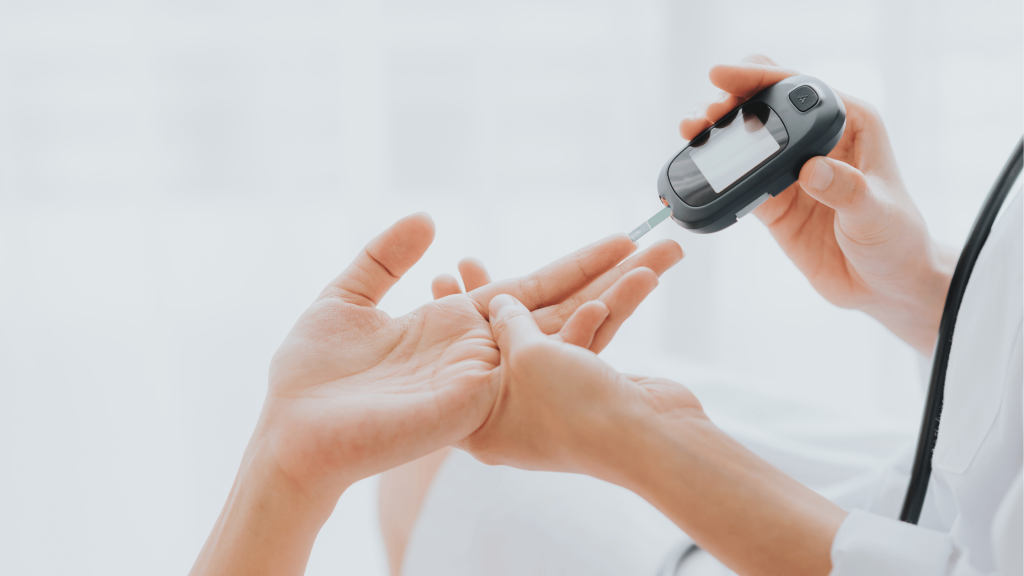
Insulin resistance is a big reason why some people get polycystic ovary syndrome (PCOS), a health problem that can affect a woman’s periods and chances of having a baby. It also makes it more likely for someone to get type 2 diabetes. Let’s break down this connection in easier terms:
Insulin Resistance and PCOS: PCOS means the body struggles with using insulin right, even if someone isn’t overweight. This issue can mess with how the body handles sugar and can lead to problems with periods and getting pregnant. Medicines that help the body use insulin better can help manage PCOS, showing how important insulin resistance is to the problem.
Why Insulin Doesn’t Work Well in PCOS: In PCOS, there’s something off with how insulin works, especially in muscles. Researchers found that some parts inside cells don’t respond to insulin as they should. This special issue sets PCOS apart from other health problems where insulin also doesn’t work well.
Insulin Resistance and Hormone Issues: There’s a tricky cycle between insulin resistance and increased male hormones (like testosterone) in PCOS. If the body doesn’t use insulin well, it might make more insulin to try to fix the problem. But too much insulin can make the body produce more male hormones, which then can make insulin resistance worse. It’s a back-and-forth problem that makes PCOS complicated.
How to know if you have PCOS? How is PCOS diagnosed?
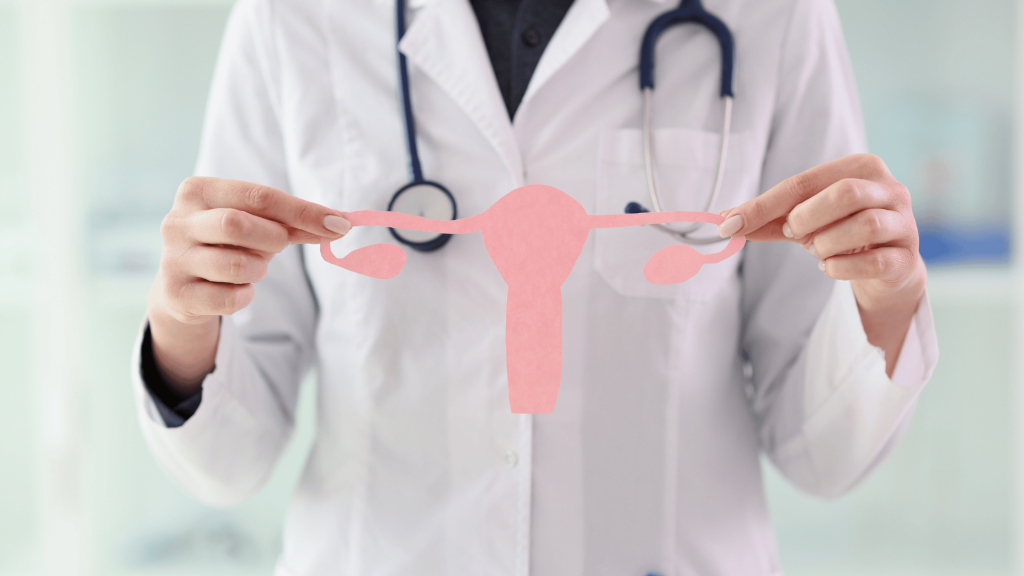
Figuring out if someone has Polycystic Ovary Syndrome (PCOS) involves a few steps, because there’s not just one test that can tell you for sure.
Doctors look at different signs and use a checklist to see if someone might have PCOS. One common checklist they use is called the Rotterdam criteria, and it looks for at least two of these three things:
- Not Ovulating Regularly: This means a woman’s periods might be very irregular or not come at all because the ovaries aren’t releasing eggs like they should.
- Too Much Male Hormones: Sometimes, a woman might have more male hormones than usual, which can cause extra hair on the face or body, really bad acne, or thinning hair on the head. Doctors can also find these hormones through blood tests.
- Lots of Small Cysts on the Ovaries: When the doctor looks at the ovaries with an ultrasound, they might see a lot of small cysts. But just having these cysts doesn’t always mean someone has PCOS, because some women have them without having the syndrome.
Doctors also check other things like:
- Your Medical History and a Physical Exam: They’ll ask about your periods, any changes in your weight, if you’ve noticed more hair growth or thinning, and if anyone in your family has PCOS. They also look for signs that your body is having a hard time with sugar and check your hormone levels.
- Blood Tests: These tests check the levels of different hormones in your body, including male hormones and insulin. They might also check your blood sugar and cholesterol.
- Ruling Out Other Conditions: Sometimes, symptoms like these can be caused by other health issues, so doctors make sure those aren’t the real problem before deciding it’s PCOS.
It’s important to remember that not everyone with PCOS will have the same symptoms, and they can vary a lot in how severe they are. PCOS can be diagnosed after puberty, usually in the late teens or early twenties.
Having PCOS means you might have a higher risk for things like diabetes, heart disease, and some cancers, so catching it early and getting the right treatment is really important.
If you think you might have PCOS, talking to a doctor is the best next step. They can do the tests and help you understand what’s going on.
Common questions about causes & symptoms of PCOS
What are the primary symptoms of PCOS and how do they impact a woman’s health?
The primary symptoms of PCOS include irregular menstrual cycles, excessive hair growth (hirsutism), acne, weight gain, and polycystic ovaries. These symptoms are due to high levels of male hormones and insulin resistance. PCOS can significantly impact a woman’s health by increasing the risk of infertility, type 2 diabetes, heart disease, and mental health issues.
Read more about this here
How is PCOS diagnosed, and what tests are involved in its diagnosis?
PCOS is diagnosed using the Rotterdam criteria, which require at least two of the following: irregular ovulation, high levels of male hormones (evidenced by symptoms like excessive hair growth or acne), and polycystic ovaries visible on ultrasound. Diagnosis also involves ruling out other causes through blood tests to check hormone levels, insulin resistance, and a physical examination.
Read more about this here
Can lifestyle changes improve PCOS symptoms, and if so, which changes are most effective?
Yes, lifestyle changes can significantly improve PCOS symptoms. The most effective changes include adopting a healthy diet to manage weight and insulin resistance, regular physical exercise to reduce weight and improve insulin sensitivity, and managing stress. These changes can help regulate menstrual cycles, reduce symptoms of hyperandrogenism, and decrease the risk of long-term health complications.
What causes Polycystic Ovary Syndrome (PCOS), and why does it affect some women but not others?
The exact cause of Polycystic Ovary Syndrome (PCOS) remains unknown, but it is believed to be influenced by a combination of genetic, hormonal, and environmental factors. Genetic predisposition plays a significant role, as PCOS often runs in families, indicating that specific genes might be involved.
Hormonally, women with PCOS have higher levels of androgens (male hormones), which can disrupt the normal function of the ovaries, leading to irregular menstrual cycles and the development of cysts. Insulin resistance is also a common feature in PCOS, where the body’s cells become less responsive to insulin, resulting in elevated insulin levels that may further increase androgen production.
Environmental and lifestyle factors, such as diet, physical activity, and obesity, can exacerbate these hormonal imbalances, making symptoms worse. Despite these insights, why some women develop PCOS and others do not is still a matter of ongoing research, highlighting the complexity of the condition.
You can learn more about the causes of PCOS here.

