


Sleep is an essential component of overall health and well-being.
It plays a vital role in restoring and rejuvenating the body, as well as regulating various physiological processes.
However, many people struggle with poor sleep quality and low energy levels.
One factor that can significantly impact sleep quality is nutrition.
The types of food we consume can affect our sleep patterns and overall energy levels.
In this article, we will explore the role of nutrition in sleep quality, highlight foods that promote better sleep, discuss foods to avoid for better sleep, and address other lifestyle factors that can impact sleep.
Let’s get started.
Sleep quality and energy levels: how does sleep affect your energy level

Sleep plays a crucial role in replenishing our energy reserves. Studies have found that people who sleep less than 7 hours per night often experience lower energy levels throughout the day.
When we sleep, our bodies undergo processes that restore and repair tissues, regulate hormone levels, and support cognitive function. Without enough quality sleep, these processes are disrupted, leading to fatigue and decreased energy levels.
What is a good quality sleep?
The definition of good quality sleep can vary, but it generally refers to a type of sleep that is characterized by several factors, including:
- Sufficient duration: Good quality sleep typically involves getting an adequate amount of sleep, which may vary depending on age and individual needs.
- Uninterrupted: It is important for sleep to be continuous, without frequent awakenings or disruptions.
- Deep and restorative: Good quality sleep consists of multiple sleep cycles, including both rapid eye movement (REM) and non-REM sleep stages. These stages contribute to mental and physical restoration.
- Refreshing and rejuvenating: After a night of good quality sleep, individuals should wake up feeling refreshed, energized, and alert, ready to take on the day.
The role of nutrition in sleep quality
“You are what you eat” .
This old saying holds true when it comes to sleep quality as well. The food we consume can have a significant impact on the duration and quality of our sleep.
Certain nutrients in our diet can promote better sleep, while others can interfere with it.
Here are some ways in which diet or nutrition can affect sleep quality

How diet can improve sleep quality:
Increase Melatonin production:
Melatonin is a hormone produced by the pineal gland that regulates sleep-wake cycles. By increasing the levels of Melatonin, we can facilitate the onset and quality of sleep.
Increase Serotonin production:
Serotonin is a neurotransmitter that promotes relaxation and regulates mood. Foods high in carbohydrates, such as whole grains and fruits, can increase serotonin levels and enhance sleep.
Promote sleep
Consuming foods that contain magnesium, such as leafy green vegetables, legumes, and whole grains, can promote relaxation and improve sleep quality.
Eating foods rich in calcium, such as dairy products and leafy green vegetables, can also support better sleep by regulating brain activity
How diet can worsen sleep quality:

Disrupt or inhibit sleep patters:
Foods like caffeine and alcohol can disrupt sleep patterns.Stimulants like Caffeine can interfere with the body’s ability to fall asleep and stay asleep.
Similarly, alcohol may initially make you feel drowsy, but it can disrupt the quality of your sleep and lead to more awakenings throughout the night.
Induce indigestion or discomfort:
Eating heavy or spicy meals close to bedtime can cause discomfort and indigestion, making it difficult to fall asleep. It is recommended to have a lighter meal earlier in the evening to promote better sleep.
Increase inflammation:
Eating foods that are high in sugar, processed oils, and artificial ingredients can contribute to inflammation in the body. Chronic inflammation can disrupt sleep patterns and lead to poor sleep quality.
Foods that promote sleep
Tryptophan-rich foods
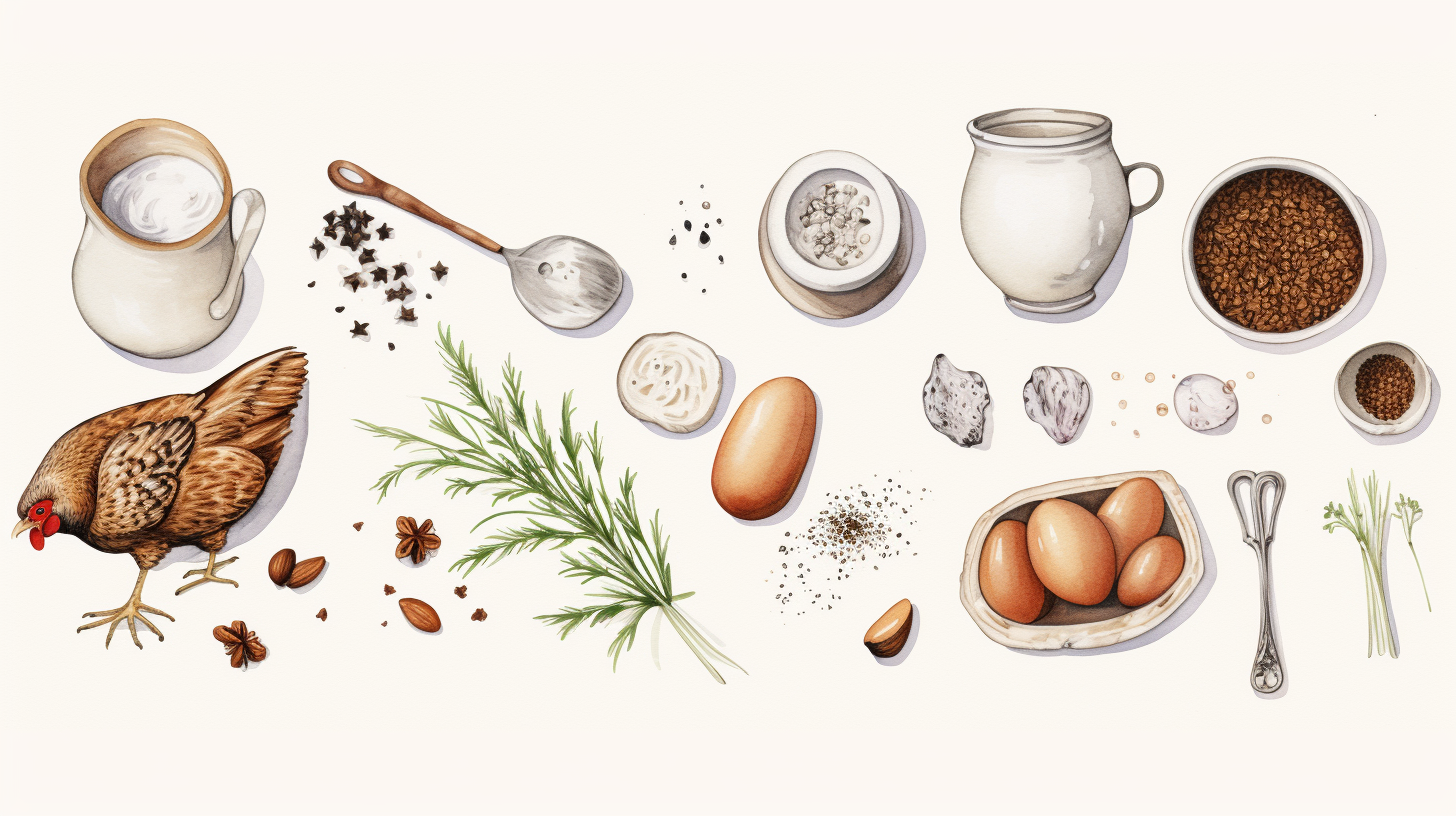
Tryptophan-rich foods have been studied for their potential to improve sleep quality. Tryptophan is an amino acid that helps our bodies make a special chemical called serotonin. Serotonin is like a messenger in our bodies that helps us sleep well.
Serotonin is converted into melatonin, the hormone responsible for maintaining our sleep-wake cycles.
Consuming foods high in tryptophan, such as turkey, milk, and nuts, can increase the availability of tryptophan in our bodies. This can lead to increased serotonin production, promoting relaxation and a sense of calmness.
Studies have suggested that an adequate intake of tryptophan-rich foods before bedtime might help facilitate the onset and quality of sleep. One small study found that subjects who consumed a tryptophan-enriched carbohydrate beverage experienced improved sleep quality compared to those who consumed a placebo beverage.
Another study suggested that tryptophan supplementation could potentially benefit individuals with insomnia symptoms. While further research is needed to fully understand the effects of tryptophan on sleep, incorporating tryptophan-rich foods into your diet may have the potential to support better sleep quality.
Example of some tryptophan-rich foods are:
- Turkey
- Chicken
- Eggs
- Milk
- Nuts
- Tofu and soy
Magnesium-rich foods
Research suggests that consuming magnesium-rich foods can play a significant role in improving sleep quality.
Magnesium is a mineral that acts as a natural relaxant, helping to calm the mind and body. This can lead to a deeper and more restful sleep. Studies have shown that individuals with higher magnesium levels tend to experience fewer sleep disturbances and better overall sleep quality.
One of the ways magnesium promotes better sleep is through its interaction with the neurotransmitter GABA (gamma-aminobutyric acid).
GABA is responsible for inhibiting neural activity, promoting relaxation and reducing anxiety. Magnesium helps to facilitate the binding of GABA to its receptors in the brain, resulting in a calming effect that can aid in falling asleep faster and staying asleep throughout the night.
In addition to its role in GABA regulation, magnesium also helps regulate the production of the melatonin. By promoting melatonin synthesis, magnesium can help establish a more regular sleep pattern and promote a deeper, more restorative sleep.
Furthermore, magnesium can alleviate muscle tension and reduce muscle cramps, which are common causes of sleep disruptions. By relaxing the muscles, magnesium can help individuals experience a more comfortable and uninterrupted sleep.
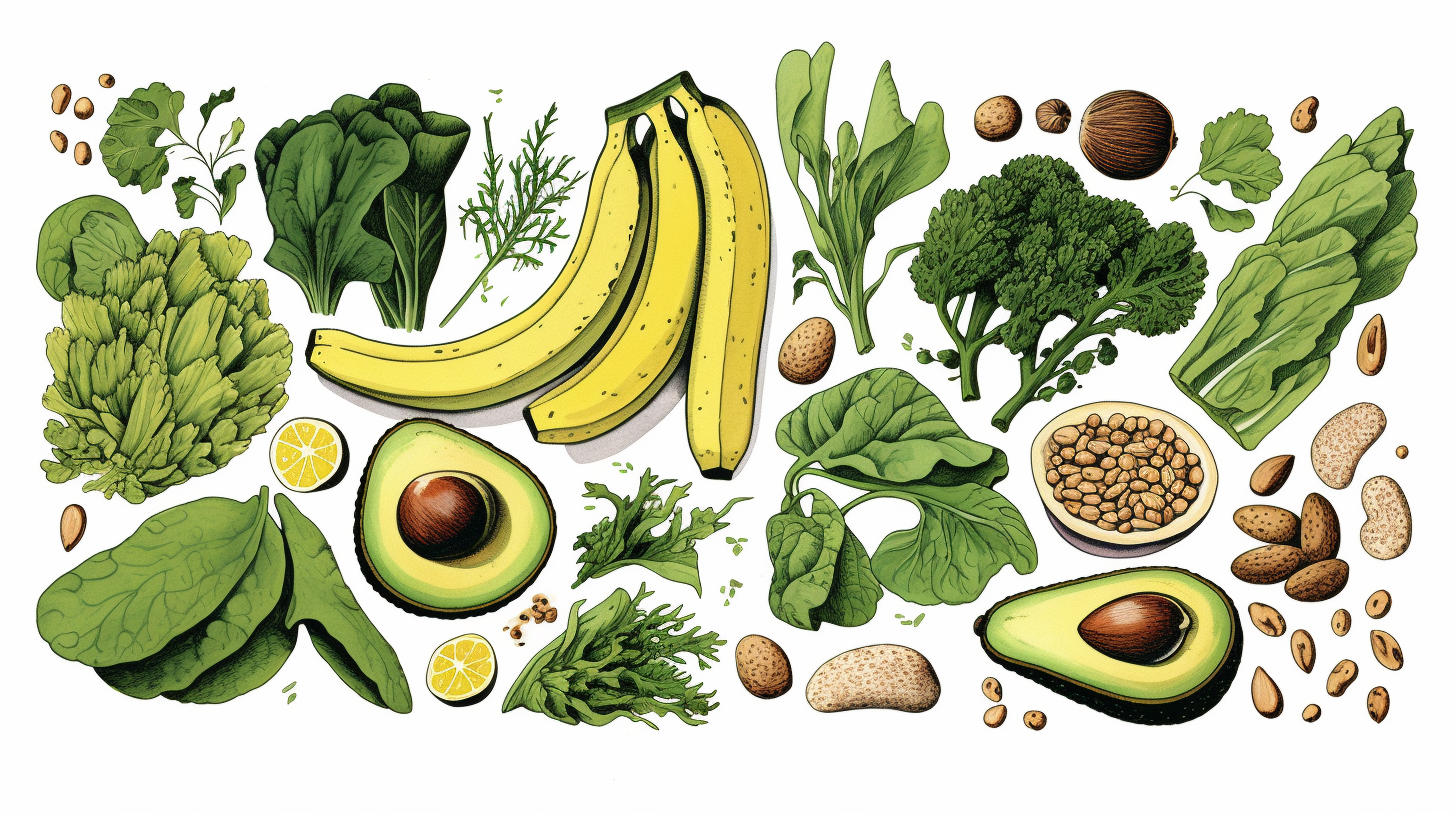
Some magnesium-rich foods that can promote sleep include:
- Leafy green vegetables
- Legumes
- Whole grains
- Nuts
- Seeds
- Fish
- Avocado
- Bananas
- Dark chocolate
Calcium-rich foods
Calcium is an essential mineral that plays a vital role in various bodily functions, including the regulation of sleep.
Studies have shown that calcium helps the brain use the amino acid tryptophan to produce melatonin, a hormone that regulates sleep-wake cycles. . Adequate levels of calcium in the body can facilitate the natural production of melatonin, promoting a more restful and rejuvenating sleep.
Furthermore, calcium has been associated with calming effects on the nervous system, helping to reduce stress and anxiety, which can enhance sleep.
Carbohydrate-rich foods
When we consume foods high in carbohydrates, such as whole grains and fruits, our bodies break them down into sugar, which raises our blood sugar levels.
This increase in blood sugar triggers the release of insulin, a hormone that helps transport tryptophan into our brains.
We already learnt that Tryptophan is an amino acid that serves as a building block for serotonin.
And serotonin is a neurotransmitter that plays a crucial role in promoting relaxation and regulating sleep.
By increasing the availability of tryptophan in our brains, carbohydrate-rich foods may enhance serotonin production, which can in turn improve sleep quality.
Additionally, these foods can induce feelings of satiety and promote a sense of well-being, further contributing to better sleep.

Foods containing melatonin
We already learnt that melatonin is the hormone responsible for maintaining our sleep-wake cycles.
Consuming foods rich in melatonin can increase the availability of this hormone in the body, promoting relaxation and better sleep.
One study published in the Journal of Pineal Research found that participants who consumed tart cherry juice, a natural source of melatonin, experienced improvements in sleep duration and quality
Another study published in Nutrients showed that consuming kiwifruit, which also contains high levels of melatonin, resulted in significant improvements in sleep onset, duration, and efficiency
These findings suggest that incorporating melatonin-rich foods into your diet may help regulate sleep-wake cycles and promote a more restful sleep.
Other foods that contain melatonin include bananas, oats, walnuts, and goji berries.
Note: Further research is needed to fully understand the dosage and timing of melatonin-rich foods for optimal sleep benefits.
Foods to avoid before bed
While certain foods can promote better sleep, there are also somes that can worsen sleep quality.
High-fat and spicy foods
Research suggests that consuming high-fat and spicy foods can negatively affect sleep quality. These types of foods can disrupt sleep patterns and contribute to various sleep disturbances.
High-fat foods are known to take longer to digest, which can lead to discomfort and indigestion, making it difficult to fall asleep.
A study published in the journal Nutrients found that a higher intake of dietary fat was associated with more sleep disturbances and poorer sleep quality. Additionally, a study in the Journal of Clinical Sleep Medicine showed that a high-fat diet was reduced sleep duration and increased wakefulness during the night.
Spicy foods, on the other hand, can cause acid reflux and heartburn, particularly when consumed close to bedtime. These symptoms can disrupt sleep by causing discomfort and awakenings throughout the night.
A study published in 1992 found that spicy food consumption was associated with increased sleep disturbances and reduced overall sleep quality. Another study suggested that individuals with gastroesophageal reflux disease (GERD) experienced worse sleep quality after consuming spicy meals.
Furthermore, high-fat and spicy foods can increase body temperature, which is known to interfere with sleep.
To promote better sleep, it is advisable to avoid consuming high-fat and spicy foods close to bedtime. Instead, opt for lighter meals that are easier to digest and less likely to cause discomfort or interruptions during sleep.

Caffeine
Caffeine is a stimulant that works by blocking the action of adenosine, a neurotransmitter that promotes sleep and relaxation. By inhibiting adenosine, caffeine can interfere with the body’s ability to fall asleep and stay asleep.
Several studies have shown that caffeine intake can lead to decreased sleep duration and increased sleep latency.
A meta-analysis published in the journal Sleep Medicine Reviews found that consuming caffeine six hours before bedtime significantly decreased total sleep time and sleep efficiency.
Similarly, a study published in the Journal of Clinical Sleep Medicinerevealed that caffeine ingestion within six hours of bedtime led to a reduction in total sleep time and sleep quality.
Note: It is important to note that caffeine can stay in the system for several hours, with its effects lasting up to 6 hours or more.
To promote better sleep quality, it is advisable to limit or avoid caffeine intake, particularly in the afternoon and evening. Opting for caffeine-free alternatives or decaffeinated options may be beneficial for those sensitive to the sleep-disrupting effects of caffeine.
Alcohol
While alcohol is often associated with inducing drowsiness and initial sedation, its effects on sleep can be detrimental.
Alcohol has been found to disrupt the normal sleep architecture, leading to frequent awakenings and overall lower sleep quality. This can result in feeling unrefreshed and fatigued upon waking.
A study published in the journal Alcoholism: Clinical and Experimental Research found that alcohol consumption close to bedtime resulted in more time spent in light sleep stages and less time in deep sleep stages.
The study also found that drinking alcohol before bed decreased sleep efficiency, increased awakenings during the night, and reduced rapid eye movement (REM) sleep, which is crucial for restorative sleep.
Additionally, alcohol can worsen symptoms of sleep disorders, such as sleep apnea.
Specifically, this meta-analysis here concluded that alcohol consumption increased the frequency and severity of sleep apnea events, leading to more disrupted sleep
Lastly, alcohol can also interfere with the body’s natural circadian rhythm, disrupting the timing of sleep and wakefulness.
This study indicated that alcohol consumption altered the core body temperature as well as the secretions of melatonin and cortisol, all of which can affect our normal circadian rhythm significantly.
Conclusion
In conclusion, nutrition plays a crucial role in sleep quality and energy levels.
To promote better sleep quality, incorporating certain foods into our diet can be beneficial.
- Foods rich in tryptophan, such as turkey, milk, and nuts, can increase serotonin production and promote relaxation.
- Magnesium-rich foods, like leafy green vegetables and nuts, can act as natural relaxants and support a deeper, more restful sleep.
- Calcium-rich foods, such as dairy products, can aid in the natural production of melatonin, promoting better sleep.
- Carbohydrate-rich foods
- Foods containing Melatonin
On the other hand, certain foods should be avoided close to bedtime to prevent disruptions in sleep patterns.
High-fat and spicy foods can cause discomfort and disrupt sleep, while caffeine and alcohol can interfere with the body’s ability to fall asleep and stay asleep.

