


Polycystic Ovary Syndrome, or PCOS for short, is something you might have heard about; it’s pretty common, affecting about 12 in 100 women in Malaysia who are at an age where they can have babies.
PCOS is a health issue that messes with hormones and can lead to a bunch of different symptoms like having periods that don’t follow a schedule, growing extra hair where you might not want it, getting acne, and gaining weight.
But one of the biggest worries for many is how it can make getting pregnant more challenging.
In this article, we’re going to dive deep into how PCOS can affect the ability of women to have a baby. We’ll first look at why it messes with your periods, the early warning signs, and the hormone issues that are part of PCOS.
We’ll also talk about ways to make your PCOS symptoms better by using treatments and making changes to your lifestyle. And if you do get pregnant with PCOS, we’ll give you advice on what you can do.
So, let’s get started by breaking down the basics of PCOS and how it ties into fertility.

PCOS and Infertility: What is PCOS and how does it affect fertility?
What is PCOS?
Polycystic Ovary Syndrome (PCOS) is a health condition that affects how a woman’s ovaries work. It’s known for causing issues with hormones, leading to symptoms like irregular periods, excessive hair growth, and acne, and making it harder to get pregnant due to problems with ovulation. Women with PCOS have higher levels of male hormones (androgens) than usual, which disrupts the menstrual cycle and can lead to infertility.
The main symptoms of PCOS include:
- Irregular menstrual cycles or no periods at all
- Excessive hair growth on the face and body (hirsutism)
- Acne and oily skin
- Weight gain and trouble losing weight
- Polycystic ovaries seen on ultrasound
Causes of PCOS
The exact reasons why someone might develop PCOS aren’t fully understood, but several factors could play a part:
- Genetics: PCOS often runs in families, suggesting a genetic link.
- Insulin Resistance: A condition where the body doesn’t use insulin effectively, leading to higher insulin levels and increased production of male hormones.
- High Androgen levels: Women with PCOS have higher levels of androgen, or male hormones, which can lead to unwanted hair growth, acne, and problems with periods
- Environmental and Lifestyle Factors: Diet, physical activity, and being overweight can influence PCOS symptoms and severity.
How is PCOS diagnosed?
Diagnosing PCOS involves the use of the Rotterdam criteria, a combination of checking symptoms, medical history, and tests:
- Medical History and Symptoms: Doctors will ask about menstrual cycles, weight changes, and other symptoms.
- Physical Examination: Checking for signs of excess hair growth, acne, and weight gain.
- Blood Tests: To measure hormone levels, insulin, and glucose tolerance.
- Ultrasound: Used to check the ovaries for cysts and evaluate their size and appearance.
PCOS is diagnosed when at least two of the following criteria are met:
- Irregular or absent menstrual periods indicate ovulation issues.
- Elevated levels of androgens (either observed through symptoms like hirsutism or confirmed with blood tests).
- Polycystic ovaries are visible on an ultrasound.
Further reading: PCOS: Symptoms, Causes, and Diagnosis Explained

How does PCOS affect fertility: Understanding the Link Between PCOS and Irregular Periods
PCOS messes with the normal way your body deals with hormones, which can lead to your periods being all over the place or even missing sometimes. This happens because the ovaries aren’t able to release eggs regularly.
For those with PCOS, having too much of a certain kind of hormone, called androgens (which are often thought of as male hormones), stops eggs from developing and being released as they should. This can make your periods come less often, be unpredictable, or last longer than usual, which also makes getting pregnant tougher.
Having irregular periods is a sign that releasing eggs from the ovaries isn’t happening as it should, which is a big deal when trying to have a baby. Regular egg release is key to getting pregnant, and without it, the chance of an egg meeting sperm and leading to pregnancy goes down.
That’s why keeping PCOS symptoms in check is important for making periods more regular and boosting the chances of getting pregnant.
Early Signs of PCOS in Young Women
PCOS can start showing signs pretty early, sometimes right after you start getting your period. Spotting these signs early is super important to get ahead of them and possibly make having a baby easier down the line. Look out for:
- Irregular Periods: If your periods are coming at weird times, very rarely, or not at all, it could be a sign.
- Extra Hair Growth: Finding more hair growing on your face, chest, stomach, or thighs can happen because of those higher androgen levels.
- Acne and Oily Skin: If acne is hanging around longer than usual or your skin is oily, it might be PCOS.
- Weight Gain: Gaining weight suddenly or having trouble losing it, especially around your belly, can be another sign.
- Feeling Tired: If you’re feeling more tired than normal and it’s not because of what you’re doing or how you’re sleeping, PCOS might be why.
Getting these symptoms checked out and starting to manage them early can help avoid bigger problems with PCOS later, especially when it comes to having kids.
Hormonal Imbalances in PCOS: How do hyperandrogenism and insulin resistance affect fertility?
The main issue with PCOS is that it throws off the balance of hormones in your body, and this has a big impact on being able to have a baby. With PCOS, your ovaries make more androgens than they should. This can stop eggs from being ready and released each month, which means irregular or no periods at all.
A lot of women with PCOS also have trouble with how their body uses insulin, a hormone that helps turn the food you eat into energy. This problem, called insulin resistance, can make the body make even more androgens. This mix-up with hormones and insulin not only makes getting pregnant harder but can also up your chances for other health problems, like type 2 diabetes and heart disease.
Dealing with these hormone issues is a big part of managing PCOS and helping with fertility problems. Things like changing your diet, getting more exercise, taking medicine to help with insulin, and treatments to help you ovulate can all help get your hormones back in balance and improve your chances of having a baby.
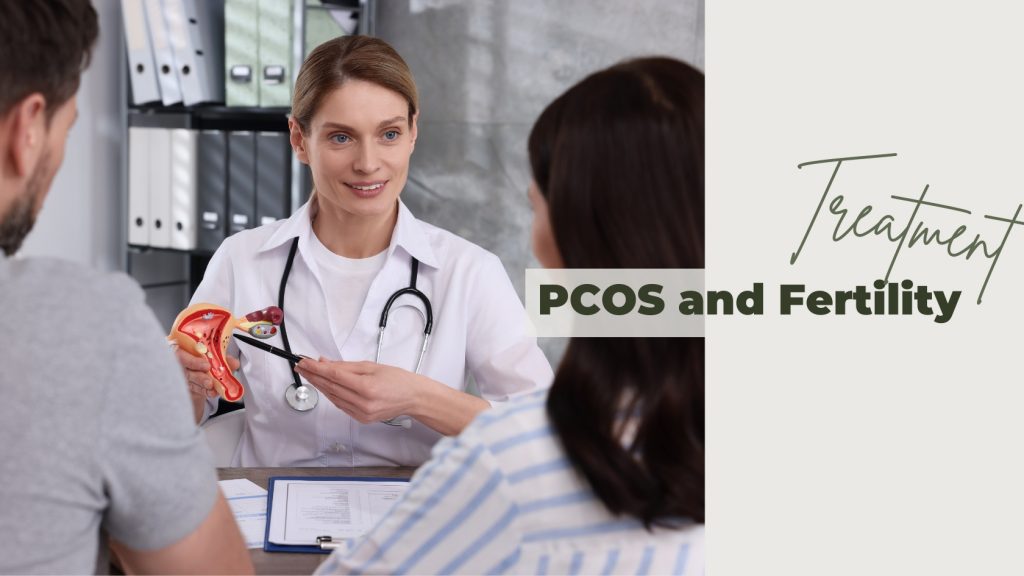
Treatment and management of PCOS
Managing PCOS and improving your chances of getting pregnant involves a mix of natural remedies, lifestyle changes, medical treatments, and sometimes alternative therapies. Here’s a breakdown of what you can do to tackle PCOS symptoms and boost your fertility.
Lifestyle Changes: What lifestyle changes can help manage PCOS and boost fertility?
Eating Right and Staying Active
One of the best things you can do for PCOS is to eat healthily and stay active.
Focus on foods that are good for you, like fruits, veggies, whole grains, and lean proteins, and try to cut down on sugary snacks and drinks.
Regular exercise can also help manage your weight, reduce blood sugar levels, and even make your periods more regular. Plus, staying at a healthy weight increases your chances of getting pregnant.
Weight Management
For those dealing with PCOS, losing even a little bit of weight can make a big difference. It can help make your periods more regular, reduce symptoms like hair growth and acne, and improve your fertility.
Medical Treatment Options: What medications or treatments are commonly prescribed for PCOS to improve fertility?
Fertility Drugs
If you’re trying to have a baby, your doctor might suggest fertility drugs to help your ovaries release eggs. These drugs can be pretty effective for many women with PCOS.
Some examples of medications that might be prescribed by your doctor include:
- Clomiphene Citrate
This medicine is often the first choice. It helps your ovaries release eggs. A lot of people have had success with it, getting pregnant and having babies. - Metformin
Originally for people with sugar problems, Metformin also helps get your periods on track and boosts your chances of releasing eggs. It can work on its own or with Clomiphene Citrate to help you get pregnant. - Letrozole
This is a newer option that works as well as, or even better than, Clomiphene Citrate for helping eggs come out. It’s especially good if Clomiphene doesn’t work for you. - N-acetylcysteine (NAC)
This is a kind of vitamin that, when taken with Clomiphene Citrate or Letrozole, might up your chances of releasing an egg and getting pregnant. - Gonadotrophins
These are special hormones given if the other medicines don’t work. They’re good at making eggs release but need to be used carefully to avoid having too many babies at once or other ovary problems.
IVF (In Vitro Fertilization)
Sometimes, doctors recommend IVF, a process where they take an egg from your ovary and mix it with sperm in a lab. Then, they put the fertilized egg back into your uterus. IVF can be a good option if other treatments haven’t worked.
Other treatments
Depending on your situation, your doctor might also suggest other medical treatments such as surgery (often the last resort) to help with PCOS symptoms and improve your chances of having a baby.
Alternative Therapies for PCOS Infertility
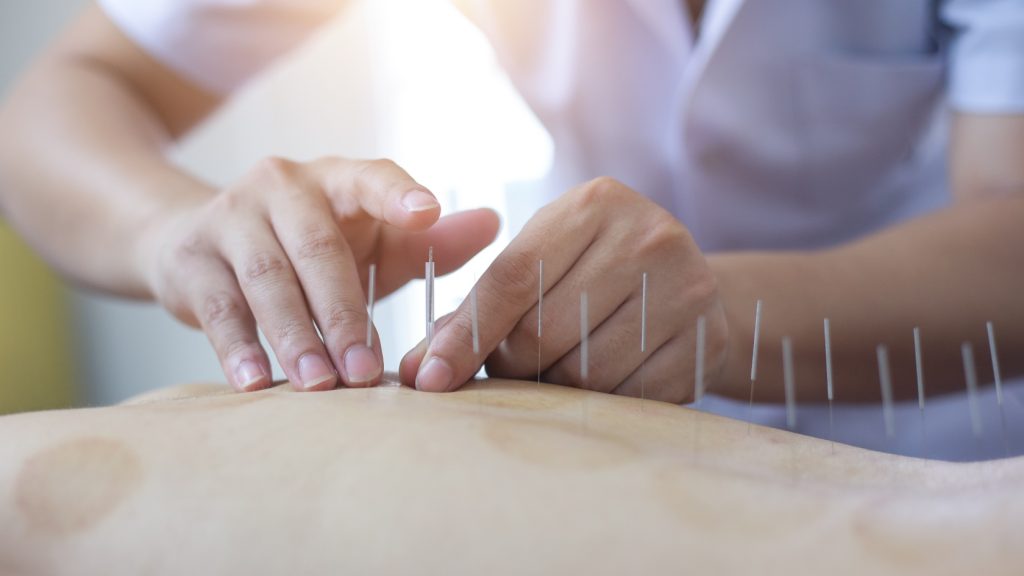
Acupuncture
Some people find acupuncture helpful for managing PCOS symptoms and improving fertility. Studies have found that acupuncture helps with:
- Improvement in Ovulation and Menstruation Rates: Acupuncture might help women with PCOS have their periods more regularly and improve the chances of releasing an egg. It seems like acupuncture could be doing something to balance out hormones, which helps with ovulation.
- Live Birth Rate and Clinical Pregnancy Rate: When acupuncture is used on the same day as putting an embryo into the womb during fertility treatments, it might increase the chances of having a baby. So, acupuncture could be a good extra treatment to try during IVF cycles if you have PCOS.
- Effects on Hormonal Levels: Acupuncture might also help get hormone levels to a healthier place. For example, it could lower testosterone (which is usually high in PCOS) and help balance other hormones that play a big role in fertility.
With acupuncture, it’s all about balancing the body’s energy and could help regulate your period and make ovulation more regular.
Herbal treatments
There are also herbal treatments that some believe can help with PCOS, like cinnamon, myo-inositol, and spearmint tea.
Myo-Inositol
Myo-inositol, particularly, has been widely studied for its effectiveness in complementary therapy for PCOS. It is characterized by high safety and minimal risk of side effects. Myo-inositol has been shown to help improve the metabolic and reproductive aspects of PCOS, making it an effective supportive treatment. However, it should be considered as an adjunct rather than primary therapy
Cinnamon
Cinnamon has been identified to have potential benefits in improving metabolic parameters in women with PCOS, such as insulin resistance and lipid profiles. Some studies indicate that cinnamon supplementation can decrease levels of fasting glucose, lower LDL (bad) cholesterol, and improve the overall hormonal profile in women with PCOS. Despite promising findings, more research is required to establish the efficacy of cinnamon in improving fertility outcomes in PCOS patients.
Spearmint Tea
Spearmint tea has been investigated for its anti-androgen effects, which are beneficial for managing symptoms of hyperandrogenism such as hirsutism (excessive hair growth) in PCOS. While there is some evidence suggesting spearmint tea may help reduce testosterone levels and improve other symptoms of PCOS, its direct impact on fertility and ovulation requires further research.
All of the above herbal treatments have begun to show promising results in improving various aspects of PCOS symptoms and fertility outcomes. While these alternative therapies may not be standalone treatments, they can complement traditional medical interventions effectively.
It’s important to consult with healthcare professionals before incorporating any herbal treatments or alternative therapies into your PCOS management plan to ensure they align with your overall treatment goals and medical history.

PCOS and IVF: Understanding Success Rates and Treatment Plans
How IVF can help women with PCOS get pregnant?
When dealing with PCOS (Polycystic Ovary Syndrome) and trying to have a baby, IVF (In Vitro Fertilization) is a big ray of hope for many people who want to become parents.
PCOS messes with hormones, making it tough to get pregnant the regular way because it can stop or mess up the release of eggs needed for pregnancy. IVF comes into play as a big help for these women, helping them get around the common baby-making hurdles PCOS throws their way.
Here’s how IVF works:
- Doctors give medicines to make the ovaries produce lots of eggs.
- Then, they take these eggs out and mix them with sperm in a lab.
- After the eggs are fertilized and start growing into embryos, one or more are placed back into the womb, aiming for a pregnancy to start.
- For women with PCOS, who often don’t make eggs regularly, IVF steps in to kickstart the egg-making process.
What’s more, IVF lets doctors closely watch and adjust hormone levels, which is super helpful for women with PCOS. Since PCOS often comes with high male hormone levels and issues with using insulin right, the special hormone treatments used in IVF can make the body a better place for a baby to start growing.
This custom care can boost the chances of getting pregnant compared to just waiting for the body to do its thing.
Is there any risk for women with PCOS undergoing IVF treatment?
Women with PCOS (Polycystic Ovary Syndrome) who are trying IVF (In Vitro Fertilization) to get pregnant might face more hurdles and risks than women without PCOS. Here are some key challenges they might encounter and how doctors manage these:
- Higher chance of OHSS (Ovarian Hyperstimulation Syndrome):
Women with PCOS can react too strongly to the drugs used to make the ovaries release eggs, leading to OHSS. To avoid this, doctors use lower doses of these drugs and may freeze the embryos for later to make the process safer and more successful. - Issues with eggs:
Sometimes, women with PCOS might not produce as many good eggs as expected, even if they have a lot of follicles (small sacs in the ovaries). The eggs might also not fertilize or grow as well as they should. Doctors might plan the egg-stimulation process very carefully or use a method called in vitro maturation (IVM) to improve the chances of getting good eggs.
Doctors looking after women with PCOS who are doing IVF will be very careful to manage these risks. They might adjust the medication doses, freeze embryos for later use, or try special techniques like IVM to help these women have the best chance of getting pregnant.

Effectiveness of fertility treatments for women with PCOS: What is the success rate of IVF for women with PCOS?
According to this study, PCOS patients undergoing IVF have a reduced chance of oocyte retrieval but more oocytes per retrieval, with similar pregnancy and live birth rates as non-PCOS patients.
In general, IVF success rates are often reported in terms of live birth rates per embryo transfer. For women under 35, the success rate can be as high as 32%. This rate tends to decrease with age, dropping to around 4-25% for women over 35.
However, women with PCOS often fall into the younger age group when seeking fertility treatments, which could theoretically place them at the higher end of these success rates.
Other PCOS-Specific Considerations
- Response to Stimulation: Women with PCOS typically respond well to the ovarian stimulation part of IVF, often producing a high number of eggs. However, there is a risk of ovarian hyperstimulation syndrome (OHSS), which needs to be carefully managed.
- Egg Quality: While women with PCOS might produce a higher number of eggs, there can sometimes be concerns about egg quality. Advances in IVF technology, such as intracytoplasmic sperm injection (ICSI) and preimplantation genetic testing (PGT), can help address these concerns.
- Insulin Resistance: Many women with PCOS have insulin resistance, which can affect fertility. Treatments that improve insulin sensitivity, such as lifestyle changes or medication (e.g., metformin), may improve IVF outcomes for these women.
How to boost IVF Success Rates when you have PCOS?
If IVF is part of your plan, there are strategies to help improve your chances of success.
In Vitro Maturation (IVM)
IVM is an option where immature eggs are collected and matured outside the body. While the implantation rates may be slightly lower, IVM lowers the risk of ovarian hyperstimulation syndrome (OHSS) and can have similar delivery rates to traditional IVF.
Supplements
Taking myoinositol and folic acid before and during IVF can improve egg quality, fertilization rates, and embryo quality. This also helps reduce the risk of OHSS.
Optimized IVM Protocols
Enhanced IVM protocols with follicle-stimulating hormone (FSH) priming and hormone replacement therapy can improve implantation and pregnancy rates by helping eggs mature better.
Controlled Ovarian Stimulation (COS)
Individualized controlled ovarian stimulation (iCOS) tailors treatment to each woman’s needs, optimizing outcomes and reducing safety issues. This personalized approach can increase the number and quality of eggs and embryos.
Hormone Monitoring
Monitoring hormone levels, like serum progesterone, on the day of HCG administration can help predict and improve pregnancy rates in PCOS patients undergoing IVF.

Pregnancy and PCOS: What happens if you get pregnant with PCOS
Getting pregnant and going through pregnancy when you have PCOS can come with its own set of challenges, but understanding what to expect and how to manage your health can make a big difference. Let’s talk about what it’s like to be pregnant with PCOS.
Navigating Pregnancy with PCOS: What are the risks of pregnancy complications with PCOS?
Gestational Diabetes Mellitus (GDM):
- Women with PCOS are at a significantly higher risk of developing GDM. This risk is often attributed to the underlying insulin resistance commonly found in PCOS patients
Pregnancy-Induced Hypertension (PIH) and Preeclampsia:
- PCOS increases the risk of pregnancy-induced hypertension and preeclampsia. These conditions are linked to metabolic and endocrine abnormalities in PCOS patients
Preterm Birth:
- There is an increased risk of preterm birth in women with PCOS. This risk can be due to complications such as GDM and hypertensive disorders that are more prevalent in PCOS patients
Miscarriage:
- PCOS is associated with a higher risk of early pregnancy loss. This may be related to hormonal imbalances and metabolic issues common in PCOS
Neonatal Complications:
- Infants born to mothers with PCOS have a higher risk of being admitted to a neonatal intensive care unit (NICU) and may have a higher risk of perinatal mortality. There is also an increased likelihood of the baby being small for gestational age (SGA) or large for gestational age (LGA)
Cesarean Section:
- There is a higher incidence of cesarean delivery in women with PCOS due to the increased risk of complications such as GDM and hypertensive disorders
Overall, while pregnancy with PCOS can be more complicated, understanding these risks and working closely with healthcare providers can help manage these challenges and support a healthy pregnancy and delivery.
Recap: Your Journey with PCOS and Pregnancy
Let’s wrap up what we’ve covered about managing PCOS and navigating the path to pregnancy.
Understanding PCOS: We started by explaining what PCOS is—a condition that messes with your hormones and can make your periods irregular, lead to extra hair growth, and make getting pregnant a bit tougher. However recognizing the signs early and understanding how PCOS affects your body can set you on the right path to managing it.
Lifestyle Changes: Next, we talked about how eating healthy, staying active, and managing your weight can play a huge role in controlling your PCOS symptoms and boosting your fertility. These natural remedies and lifestyle shifts can make a big difference in how you feel and help increase your chances of getting pregnant.
Medical Treatments and More: We also discussed medical options, including fertility treatments like IVF, and other ways to help you conceive if you’re facing challenges. And let’s not forget the alternative therapies that some find helpful, like acupuncture, which can be part of your overall strategy for tackling PCOS.
Pregnancy with PCOS: Finally, getting pregnant with PCOS might come with extra challenges, but with careful management and the right support, many women with PCOS go on to have healthy pregnancies and babies. Whether through natural conception or with a bit of medical help, there’s a path forward.
Last words
Dealing with PCOS when you’re dreaming of becoming a mom can feel like a tough journey, but there’s a lot of hope and many ways to make that dream a reality.
If you have PCOS, or if you suspect you may have PCOS, I hope that this article will answer some of your questions about PCOS and will help you navigate the journey to pregnancy more confidently.Remember, you are not alone in this journey. Seeking support from loved ones, joining online communities, and working closely with healthcare professionals can provide invaluable guidance and reassurance. Embrace the journey ahead with optimism and determination.
By staying informed, taking proactive steps to manage your condition, and exploring fertility treatment options tailored to your needs, you can enhance your chances of a successful pregnancy. Your perseverance and commitment will pave the way for a brighter and hopeful future.

