


We all know sleep is important. But in today’s fast-paced world, it’s often the first thing we sacrifice.
Whether it’s late-night work, socializing, or binge-watching shows, sleep tends to take a back seat.
However, not getting enough sleep can have serious consequences on your health and well-being. Here are eight signs that you’re not getting enough sleep and why you should start prioritizing it.
Your Skin Starts to Have Breakouts
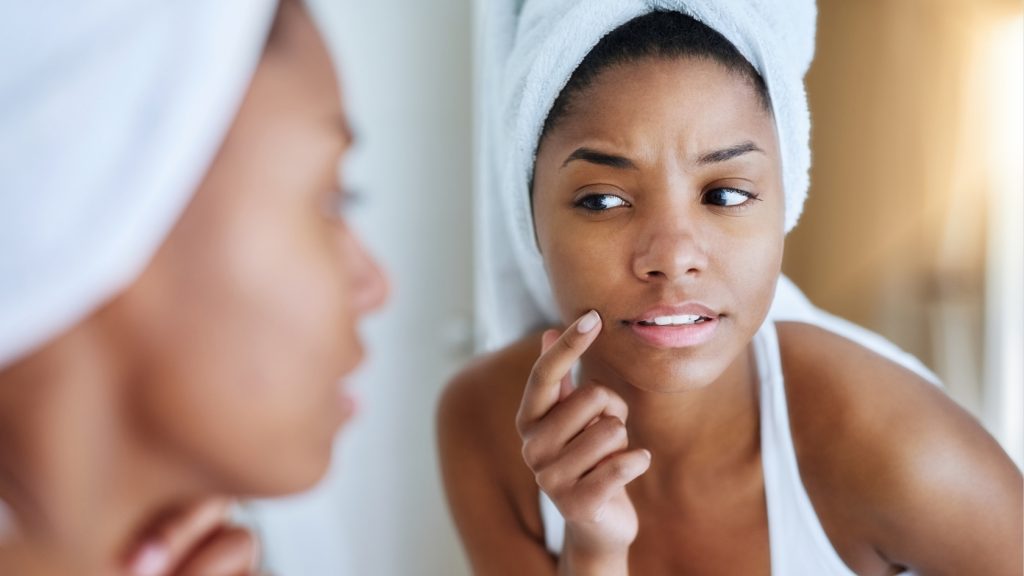
One of the first places you might notice the effects of sleep deprivation is on your skin.
When you don’t get enough rest, your body produces more cortisol, the stress hormone.
High levels of cortisol can lead to increased inflammation, which can cause breakouts and worsen conditions like acne and eczema.
You might also notice your skin looking dull and lifeless. Your body repairs itself during sleep, and that includes your skin. So, lack of sleep means your skin doesn’t get the chance to heal and rejuvenate.
Your Eyes Don’t Look Good
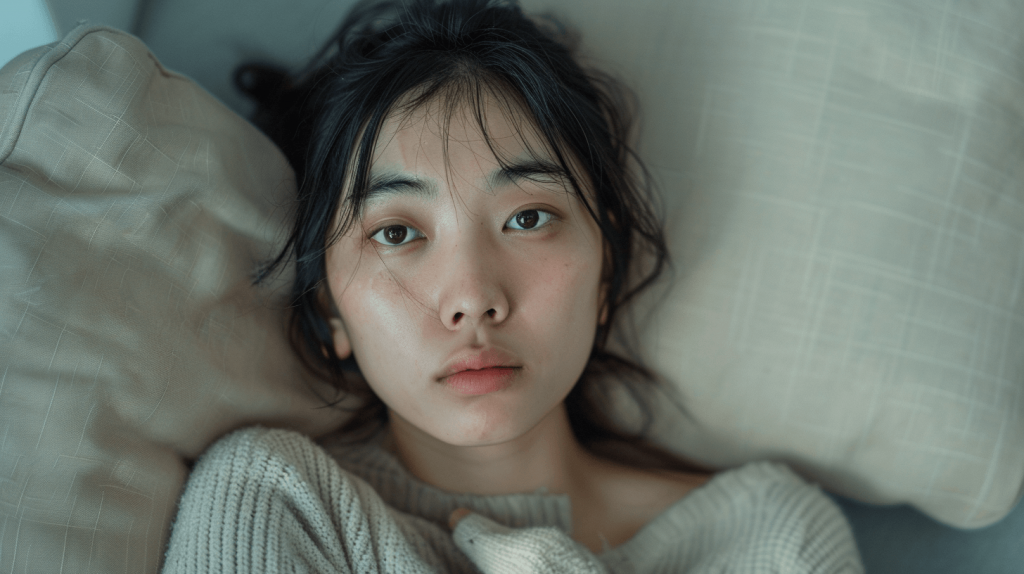
The eyes are a dead giveaway of how much sleep you’re getting.
Lack of sleep can cause puffiness, dark circles, and redness. You might wake up with those dreaded bags under your eyes.
This happens because sleep deprivation leads to poor water balance, causing puffiness and dark circles. Also, the blood vessels under your eyes can dilate, creating a dark tint. If you’re constantly looking tired, it’s probably because you are.
You Gain Weight
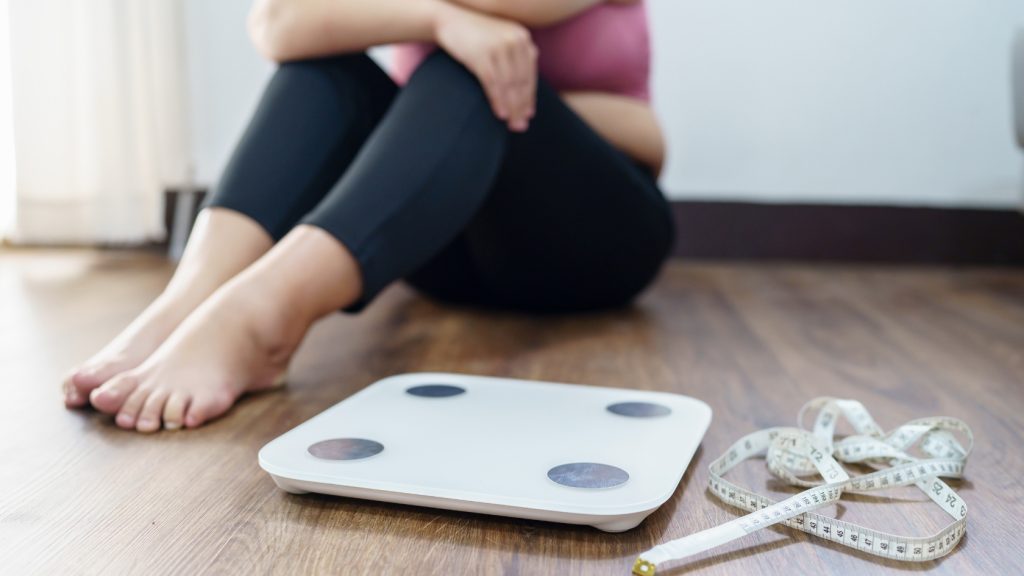
If you’re having trouble managing your weight, lack of sleep could be a big part of the problem.
When you don’t sleep enough, your body’s hunger hormones get out of balance.
Ghrelin, the hormone that makes you feel hungry, goes up. Leptin, the hormone that makes you feel full, goes down.
This means you’re more likely to eat more than you need to. Additionally, sleep deprivation can slow down your metabolism, making it easier to gain weight.
You Crave Junk Food

Ever notice how you reach for chips or sweets when you’re tired?
Lack of sleep affects your brain’s decision-making areas, making you crave high-calorie, sugary foods. Your body is looking for a quick energy boost, and junk food seems like the easiest way to get it.
Unfortunately, this can lead to poor eating habits and weight gain. When you’re well-rested, you’re more likely to make healthier food choices.
You Drink More Coffee
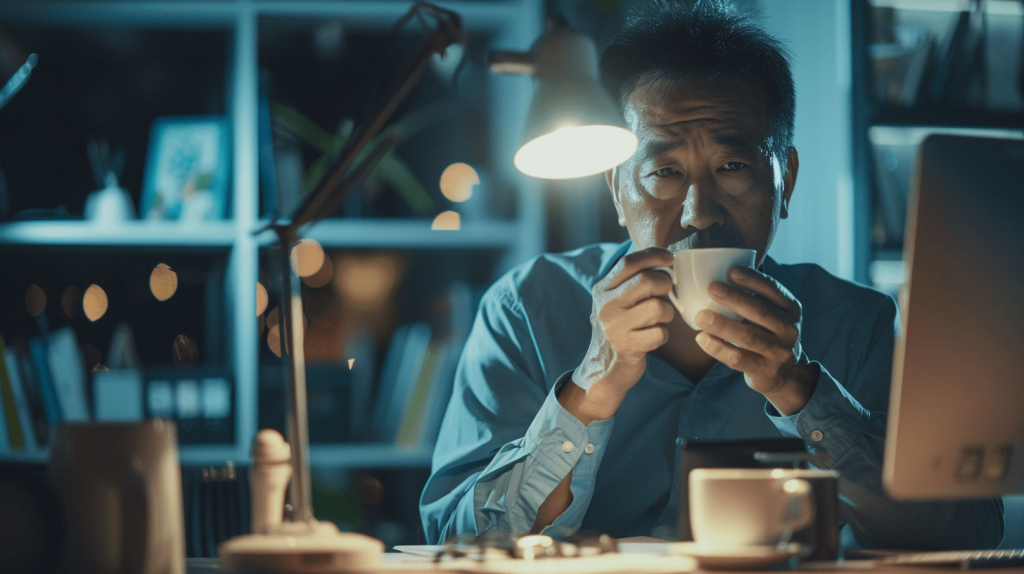
Caffeine is the go-to for many people who didn’t get enough sleep. It’s a quick fix to stay awake and alert.
However, relying on coffee or energy drinks can create a cycle of poor sleep. Consuming too much caffeine, especially later in the day, can interfere with your ability to fall asleep at night. This leads to even less sleep and more dependence on caffeine. It’s a vicious cycle that can be hard to break.
You Feel Moody

Ever been short-tempered or overly emotional after a bad night’s sleep?
That’s because sleep plays a crucial role in regulating your emotions. Lack of sleep can make you more irritable and less able to handle stress. You might find yourself snapping at others or feeling overwhelmed by minor issues.
Getting enough sleep helps you maintain a balanced mood and better handle whatever life throws at you.
You Feel Depressed

Sleep deprivation and depression are closely linked.
Not getting enough sleep can lead to symptoms of depression, such as persistent sadness, lack of interest in activities, and feelings of hopelessness. Conversely, depression can also cause sleep problems, creating a vicious cycle.
If you’re feeling down and can’t seem to shake it, consider looking at your sleep habits. Improving your sleep can have a positive impact on your mental health.
You Lose Focus and You Find It Harder to Concentrate

When you’re sleep-deprived, it’s much harder to concentrate and stay focused.
You might find yourself zoning out during meetings or struggling to complete tasks that usually aren’t a problem. Sleep is essential for cognitive functions like attention, memory, and problem-solving.
Without enough sleep, your brain doesn’t work as well, making it harder to stay on top of things at work or in your personal life.
FAQs about Sleep Deprivation
What are the common signs of sleep deprivation?
Common signs of sleep deprivation include skin breakouts, puffy eyes, weight gain, cravings for junk food, increased coffee consumption, moodiness, depression, and difficulty concentrating.
How does sleep deprivation affect your skin?
Sleep deprivation can lead to higher levels of cortisol, the stress hormone, causing increased inflammation and breakouts. It also prevents your skin from properly healing and rejuvenating.
Why do I crave junk food when I’m sleep-deprived?
Lack of sleep affects the brain’s decision-making areas, making you crave high-calorie, sugary foods for a quick energy boost. This can lead to poor eating habits and weight gain.
How does sleep deprivation impact mental health?
Sleep deprivation is closely linked to depression and moodiness. It can cause persistent sadness, lack of interest in activities, feelings of hopelessness, and increased irritability.
Can drinking coffee worsen sleep deprivation?
Yes, relying on coffee to stay awake can create a cycle of poor sleep. Consuming too much caffeine, especially later in the day, can interfere with your ability to fall asleep, leading to further sleep deprivation.
Final words
Sleep is not a luxury; it’s a necessity. Your body and mind need it to function properly.
If you notice any of these signs, it’s time to reassess your sleep habits.
- Aim for seven to nine hours of quality sleep each night.
- Create a bedtime routine.
- Limit screen time before bed.
- Make your sleep environment as comfortable as possible.
Prioritizing sleep will help you look and feel better, making you more productive and happier in the long run. Don’t ignore the signs your body is giving you – get some sleep!

